

What’s Fueling the Virtual Shift
Virtual tourism is no longer just a placeholder for the real thing it’s a growing movement that addresses some of the biggest barriers in traditional travel. Here’s what’s driving its rapid rise:
Increased Accessibility: Global Travel, Anytime, Anywhere
Virtual experiences eliminate the physical barriers that once kept people from seeing the world. All you need is a device and an internet connection.
No passports or plane tickets required
Explore iconic sites from the comfort of your home
Great for those with time restrictions, health concerns, or geographic limitations
Affordability: Travel Without the Price Tag
For many, the cost of travel is a major obstacle. Virtual tourism offers a way to explore without draining your bank account.
Free or low cost experiences are widely available
No expenses for flights, hotels, or dining out
Ideal for students, families, and budget conscious explorers
Sustainability: Low Impact Exploration
With increasing awareness of climate change and over tourism, virtual travel provides an eco friendly alternative.
Zero carbon footprint compared to traditional transportation
Reduces environmental strain on popular destinations
Supports global exploration without contributing to climate harm
What Virtual Travel Looks Like in 2024
Forget static slideshows and grainy webcam feeds virtual travel has leveled up. Today’s experiences take you deep into the heart of destinations without ever stepping on a plane. You can roam a Serengeti plain on a virtual safari, stroll the halls of the Louvre with guided narration, or explore ancient ruins in Peru with click to move freedom. The visual quality is crisp, and the production values are starting to rival traditional documentaries.
That’s thanks to immersive tools like 360° video and spatial audio. Pop on a VR headset and pair it with good headphones, and you’re not watching a location you’re in it. The sound of waves crashing in Santorini surrounds you. You look left, and see mountains. Look right, and the sun’s sinking into the caldera.
Live components are picking up steam, too. Timed events like real time museum walk throughs or interactive city tours with human guides allow visitors to ask questions and dive deeper than pre recorded content will allow. It’s not passive viewing it’s participation.
Virtual travel in 2024 isn’t a novelty anymore. It’s an entire mode of exploring engaging, remote, and remarkably real.
Explore popular virtual travel ideas
Who’s Using Virtual Tourism and Why
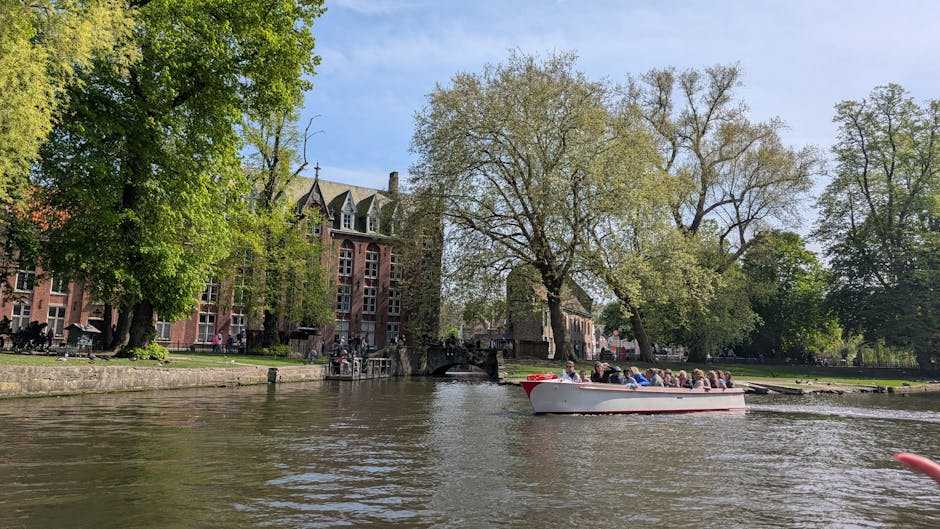
Virtual travel has evolved from novelty to necessity for many different types of users. Whether driven by accessibility, curiosity, or circumstance, people from all walks of life are finding new ways to explore the world without setting foot on a plane.
Education Goes Global
Virtual field trips are providing educators with powerful tools to enrich the classroom experience.
Students can now explore ancient ruins, art museums, and geographical landmarks from anywhere.
Teachers are using virtual tours to supplement lesson plans, bringing history, science, and culture to life.
Schools with limited resources can now provide enriching global experiences without the cost and logistics of physical travel.
Example: A history teacher in Ohio can guide students through the Colosseum in Rome, complete with expert narration and rich visuals.
Travel Without Limits
For seniors and people with mobility challenges, virtual tourism offers both freedom and connection.
Seniors can revisit favorite destinations or experience new ones without physical strain.
People with disabilities or health conditions use virtual experiences to access places they may not be able to visit in person.
Care facilities and support organizations are incorporating virtual tourism into wellness and recreation programs.
Benefit: Exploring the world from home provides mental stimulation, social engagement, and emotional fulfillment.
Planning the Next Real Trip
Many curious travelers use virtual tours not just as entertainment, but as research tools for future trips.
Previewing accommodations, neighborhoods, and landmarks helps travelers make informed decisions.
Trying different destinations virtually helps narrow choices and spark inspiration.
Understanding local culture and geography ahead of time enriches the in person experience later on.
Tip: A 10 minute virtual walk along Tokyo’s Shibuya Crossing may inspire a full itinerary for an upcoming trip to Japan.
Virtual tourism meets users where they are in classrooms, homes, and on phones offering flexible, engaging ways to connect with the world. Whether for learning, accessibility, or vacation planning, it’s a tool as diverse as the people who use it.
Industry Impact and New Business Models
Virtual experiences aren’t just a novelty they’re steadily reshaping the tourism industry. As more destinations and creators tap into the digital landscape, new models of engagement are emerging. Here’s a look at how the tourism sector is evolving in 2024.
How Tourism Boards Are Adapting
Leading tourism boards are no longer just advertising places they’re curating immersive digital journeys to attract future travelers.
Virtual Previews: Destinations are offering 360° previews of attractions to spark traveler interest.
Educational Tools: City and country tourism offices are producing virtual educational content to highlight culture and history.
Global Reach: Virtual experiences allow tourism boards to engage international audiences without the limits of physical travel.
The Rise of Virtual Tour Operators
New players are entering the digital travel space by offering fully guided virtual experiences.
Live Guided Tours: Operators are hosting real time sessions with interactive features.
On Demand Content: Pre recorded experiences (e.g., scenic walks or food tastings) are available to users anytime.
Subscription Models: Monthly access to a library of destinations provides recurring revenue and sustained user engagement.
Digital First Travel Influencers
A fresh wave of influencers is building followings without ever stepping on a plane. These creators specialize in virtual storytelling and immersive content.
Platform Focus: Many operate on YouTube, Twitch, or TikTok with content ranging from VR expeditions to commentary based travel shows.
Authentic Engagement: Their audiences value access and intimacy over high budget production.
Revenue Streams: Monetization includes live donations, memberships, educational content, and sponsored virtual events.
Virtual tourism is becoming a legitimate sector with creative entrepreneurs leading the way.
More on innovative virtual travel ideas
The Hybrid Future of Travel
Virtual tourism isn’t just a sideshow anymore it’s becoming a core part of how people decide where to go and why. Travelers are using VR walkthroughs and 360° previews to explore destinations before making bookings. It’s less about escape and more about decision making. Want to know if that rainforest lodge is actually remote? A virtual preview can tell you in five minutes what a brochure never will.
Tourism boards and travel brands are catching on. Augmented reality (AR) pop ups in travel apps let users scan real world scenes and imagine themselves biking in Barcelona or hiking in Patagonia. VR ads and immersive storytelling are being baked into marketing strategies to show not just tell what’s possible.
And here’s the smart play: after the trip is over, brands are using virtual experiences to keep that post vacation glow alive. Think exclusive VR tours for returning customers, early previews of new destinations, or immersive loyalty perks. It’s not just about retention it’s a new kind of relationship. One that lives both online and off.
Takeaway: Redefining Exploration
Virtual travel hasn’t killed the magic of hopping on a plane or wandering through a new city but it’s changed how we engage with the idea of exploration. Now, the journey often starts before the ticket’s even booked. From realistic previews of destinations to guided walk throughs of local spots through someone else’s lens, the way we plan, dream, and experience travel is shifting.
This isn’t just for people who can’t travel. Armchair explorers, students, planners, and even seasoned adventurers are using virtual experiences for deeper context and smarter decisions. You get to try before you fly, fine tune your itinerary, or immerse yourself in parts of the world you might never touch in person. It’s become both a gateway and an enhancement.
Looking ahead, the tourism map is no longer either/or. It’s both. Real streets blended with virtual layers. Physical footprints echoing digital paths. In 2024 and beyond, exploration is fluid, connected, and available to anyone with a screen and a sense of curiosity.