
Regions Rising from the Shadows
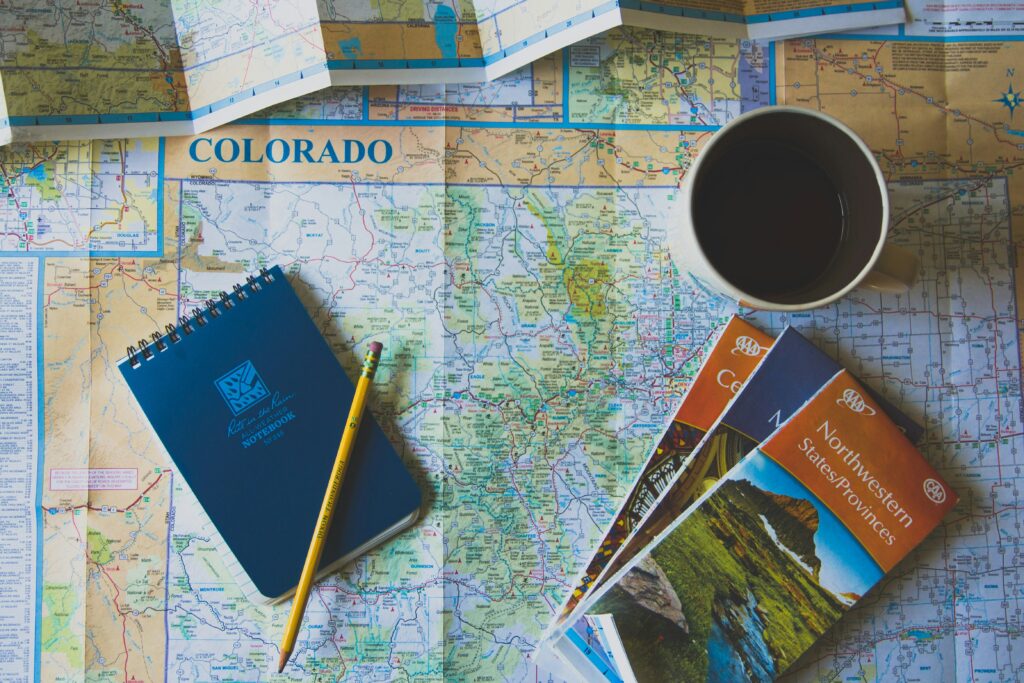
Not every breakout travel destination comes with skyscrapers and sponsored influencers. Some of the biggest gains heading into 2026 are coming from countries you rarely see on a top 10 list and that’s exactly the appeal. Moldova, Rwanda, and Laos are a few of the quietly rising stars, tapping into the current traveler’s craving for experiences that feel more grounded, less commodified.
Why now? A mix of better infrastructure, relaxed visa policies, and growing safety ratings have made these places easier to reach and safer to explore. For digital nomads and long haul adventurers, cost of living and connectivity are also part of the equation. Places like Georgia and Albania are cementing themselves as digital work havens with reliable Wi Fi and dirt cheap rent, while offering mountain hikes or untouched coastlines for the off hours.
In Africa, countries like Namibia and Ghana are investing in tourism without sacrificing authenticity. Asia’s sleeper picks think Sri Lanka or Uzbekistan are threading the needle between tradition and modern comfort. Meanwhile, Europe’s overlooked gems in the Balkans and Eastern bloc bring culture without crowds.
Bottom line: This new wave of destinations isn’t about flashy check ins. It’s about places that offer stability, curiosity, and a little mystery. If you’re a traveler and even more so a travel vlogger it pays to go where the algorithms (and people) haven’t flooded just yet.
Nature Forward Escapes
Travel decisions in 2026 are getting greener. Tourists are no longer just chasing views they’re weighing the footprint of their journey. Eco conscious travel isn’t a fringe trend anymore. It’s mainstream, and it’s shaping where, how, and why people go.
Remote national parks, wildlife corridors, and off grid retreats are pulling in more travelers than high end beach resorts. People want silence, space, and sustainability. Places like Patagonia, Iceland’s quieter trails, and the Canadian Yukon aren’t just bucket list material they’re becoming the first choice.
Destinations are taking note. Many now prioritize local materials, renewable energy, and low impact designs in their infrastructure. Some are capping visitor numbers to protect ecosystems. Others are building around nature, not through it. These aren’t just nice to have features. They’re now deciding factors.
If you’re wondering how climate change is reshaping where we travel, explore this in more depth here: how climate impacts travel.
Cities Reinventing Themselves
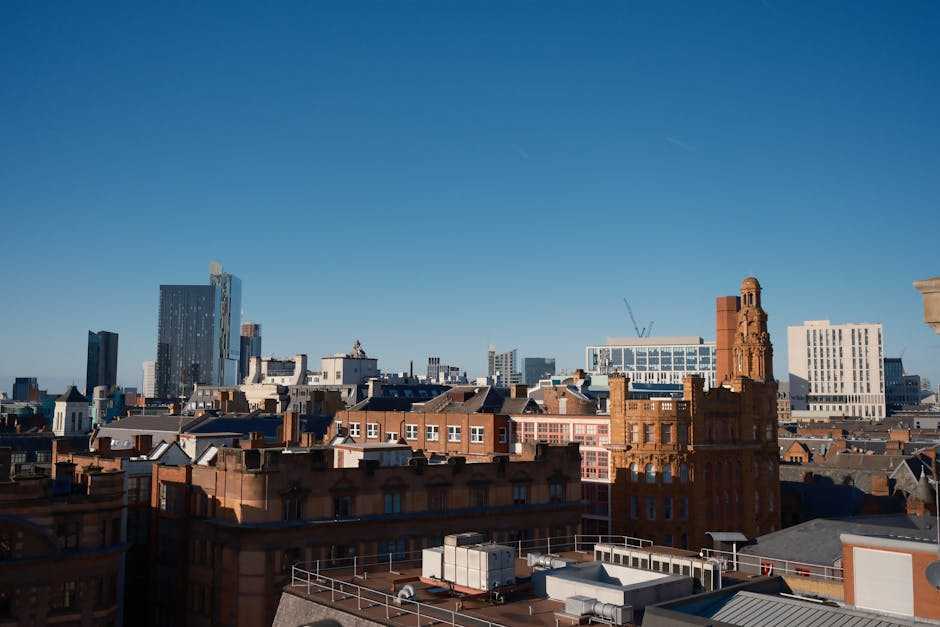
Not every future forward destination is tucked in a jungle or atop a remote mountain. Some of the most exciting changes are happening in cities just not the ones you might expect. As megacities wrestle with overcrowding, air pollution, and aging infrastructure, a quieter revolution is unfolding in smaller urban centers. Think Valencia instead of Barcelona. Kyoto over Tokyo. These cities are leaning into smart technology, low impact transit, and green design without losing their local flavor.
Take Ljubljana, for example. This Slovenian capital banned cars from its old town years ago, replacing traffic with tree lined paths and public art. It’s walkable, bikeable, and deeply livable. Over in Medellín, Colombia, a once maligned reputation has been shed through a combination of tech innovation, public libraries, and cable cars connecting underserved communities to the city’s core. These micro makeovers don’t just look good they reflect a deeper shift toward cities as cultural and sustainable hubs.
For travelers, this means more options that blend urban comfort with fewer crowds. You’re not just visiting a place you’re stepping into its story mid chapter. And increasingly, that story involves green roofs, creative districts, and locals proud of how far their city has come.
Climate Driven Shifts in Popularity
Tourism patterns aren’t just changing they’re being rewritten.
Icons like Santorini, Phuket, and Barcelona are feeling the heat, both metaphorically and literally. Crowds grow agitated. Temperatures spike past comfort. Infrastructure strains. It’s making the travel experience heavier than it should be. Meanwhile, cooler climate destinations and off season windows are gaining renewed interest. Think coastal Norway in June instead of Spain in August, or the Japanese Alps drawing skiers long after the cherry blossoms fall.
Governments and local agencies aren’t waiting for things to settle they’re pivoting. Marketing campaigns now spotlight shoulder seasons. Subtler measures like tourist caps, heat adaptive architecture, and even weather triggered entry limits are being tested from the Amalfi Coast to Kyoto. Some cities aim to reprogram visitor flow, not just manage it.
The map is changing. Climate isn’t the only reason but it’s a loud one.
(Read more: climate impacts travel)
What This Means for Future Travelers
Planning a trip in 2026 means more than just picking a photogenic location. With rising destinations, shifting seasons, and newer infrastructures coming online, travelers need to think ahead and stay flexible. The key: keep an eye on patterns, not just headlines. By understanding where the growth is happening and why you’re more likely to design a trip that feels fresh and free of tourist fatigue.
Start with research. Look for second cities and emerging regions getting traction without the hype. Tools like visa free travel charts, local digital nomad policies, and regional tourism board updates can offer helpful signals. If remote work is on the table, consider places balancing lifestyle with connectivity.
Travel responsibly. As new places crack the global radar, they come with growing pains. Respect local customs. Stay in locally owned lodgings. Opt for low impact activities. The golden rule is simple: visit in a way that leaves the place better or at least not worse than you found it.
And yes, early adopters tend to win big. Arriving before the bus tours and five star resorts means more personal experiences and deeper community connections. Prices are often lower, the pace slower, and the stories more real. For anyone willing to step slightly off grid and plan with purpose, the next two years could deliver some of the most rewarding travel yet.