
The Unspoken Language of Cities
Cities speak. Not in words, but in form, material, and layout. Architecture is their dialect silent, but full of meaning. A marble clad government building rising ten stories above the street doesn’t just house bureaucracy; it projects authority. A dense web of alleyways might hint at a history of defense, trade, or resistance. A single glass tower surrounded by housing blocks can tell a story of economic priorities at a glance.
Design choices are never neutral. A city’s skyline isn’t just a pretty silhouette it’s a power map. Who built what, when, and why? Look closely, and you’ll see history fossilized in concrete: colonial marks, industrial ambition, tech fueled expansion. Even the gaps the places that feel forgotten say something about who’s included in a city’s imagination, and who’s been left out.
Street grids signal intent too. A rigid, orderly layout often reflects centralized planning or military roots. Organic, winding paths may stem from trade routes or community development without top down interference. Every boulevard, plaza, and cul de sac whispers something about how a city sees itself and who it hopes to attract.
Brochures and city slogans can paint a pretty picture. But the real story is in the built environment. If you want to know what a city values, skip the marketing. Walk its streets. Look up. The truth is hiding in plain sight.
Layers of Time in Brick and Steel
Cities are layered texts, and buildings are the pages people walk past every day. Architecture carries the weight of colonial assertions, industrial ambition, and, over time, the many forms of resistance that rise against them. When you step into a century old train station or pass a mansion built with ill gotten wealth, you’re reading a part of that city’s power story often in stone.
But these structures aren’t frozen. Enter adaptive reuse: the quiet disruptor. Factories become art galleries. Warehouses turn into loft apartments. Churches get flipped into bookstores or co ops. It’s sustainability with story. Instead of demolishing, cities are finally asking: can we keep the walls and shift their meaning?
Then comes the friction modernism versus heritage. In booming metros where every square foot is real estate gold, glass towers muscle out buildings with deeper roots. Who decides what’s worth saving? Planners? Residents? Developers? It’s rarely a neutral process. Often, the outcome has less to do with architecture and more to do with whose past a city finds valuable and whose it doesn’t.
Cultural Identity in Concrete
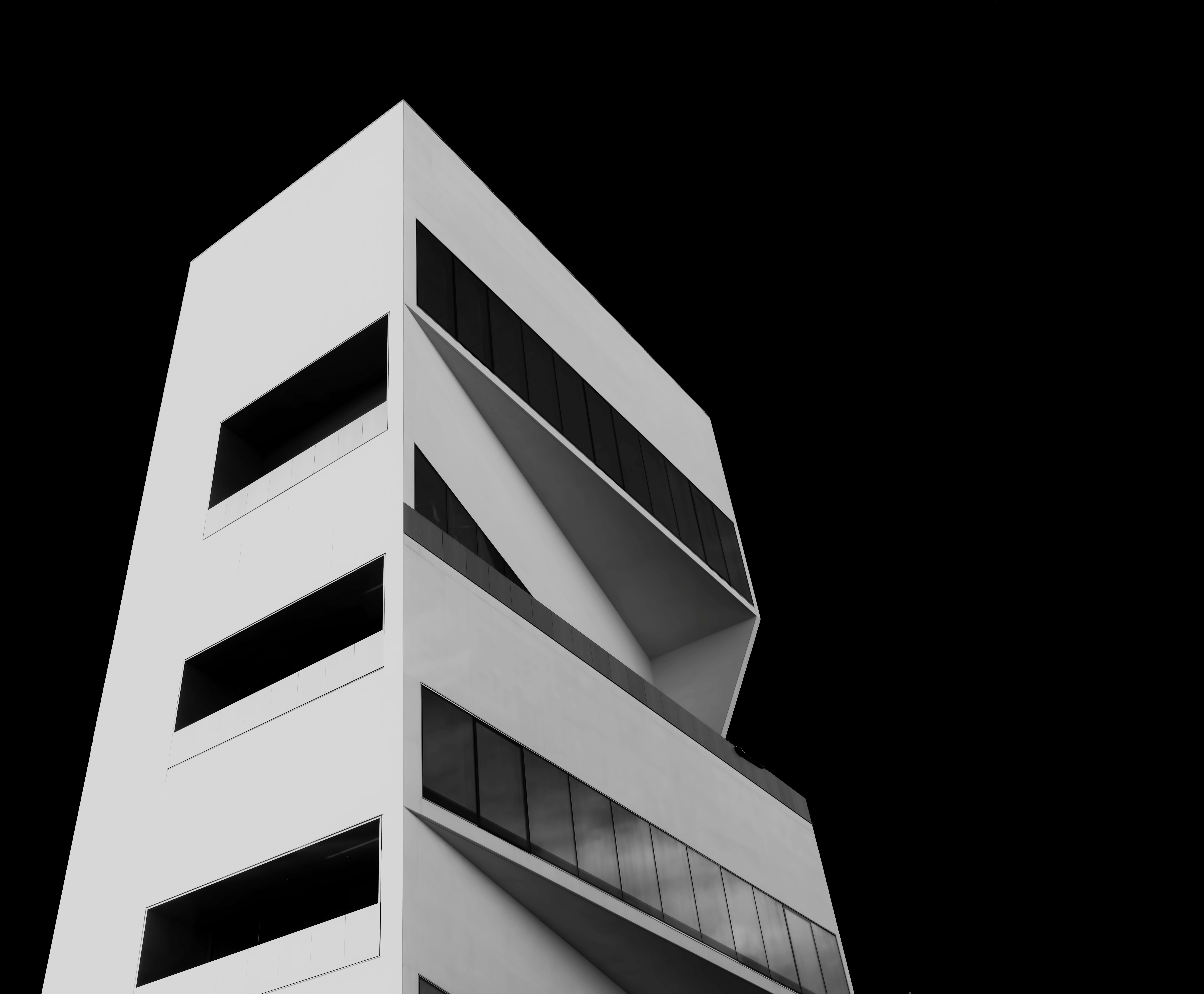
Architecture doesn’t just house culture it expresses it. In cities around the world, buildings act like memory keepers. The color of clay used in a family court, the layout of a communal square, or even the placement of windows against prevailing winds carries generations of meaning. That’s not accidental. It’s how a culture says: we were here, we are here.
Take regional aesthetics. Moroccan riads, centered around tranquil courtyards, show a deep value for privacy, nature, and inward reflection. Up north, Brutalist blocks across the former Soviet Union speak to a different story one of power, utilitarianism, and collectivism. These stark structures aren’t pretty in a typical sense, but their weight is the point. They reflect how people once lived, worked, and were expected to think and function.
This all connects with the rhythms of a culture. As music, dance, and art shape identity, architecture echoes that rhythm in material form. Curves, halls, thresholds they guide movement and perception just as a melody guides emotion. You can think of architecture as physical choreography. It moves us through cultural storylines whether we realize it or not.
If a culture wants to remember who it is, it often builds something to do just that. That’s not nostalgia. That’s strategy. And it’s survival.
Politics, Policy, and the Skyline
Cities aren’t just concrete and glass. They’re policy made visible. Zoning laws, tax codes, and land use restrictions decide what gets built and more importantly, who gets to live, work, or even linger in a space. These policies favor those already holding the keys. Wealthy developers lock in value with luxury condos, while low income housing gets pushed to the outskirts or left off the map entirely. The phrase “invisible hand” of real estate is misleading; it may be unseen, but it’s anything but neutral.
Public space isn’t free, either. Parks and plazas are either curated havens or carefully policed zones depending on who gathers there. That same park might host a farmers’ market on Sunday and a labor protest on Monday. From freedom of assembly to silent exclusion, architecture sets the tone. Camera placement, bench design, and even sidewalk width send messages about who belongs.
At the core is a question few city plans answer directly: who are we building this for? Urban design often reflects the comfort of the dominant class while pushing others out of view. Policy becomes skyline. And what’s left out isn’t random it’s engineered. To read a city clearly, you have to look at what’s missing as much as what’s built.
Building Toward Tomorrow
Architecture is responding to climate urgency not with fanfare, but with quiet, careful recalibration. Green building is no longer niche it’s baseline. LEED, BREEAM, Passivhaus these certifications aren’t just nice to haves, they’re now the standard language of responsibility in urban construction. Materials matter more: carbon sequestering concrete, reclaimed wood, modular steel. Designs are leaning into passive cooling, rooftop solar, graywater systems. This is the workhorse era of climate conscious architecture: practical, replicable, and scalable.
In 2026, construction is finally catching up with the pace of tech. Buildings are becoming sensors embedded with IoT devices that monitor energy, air quality, even foot traffic. Prefab is having a renaissance, not as a shortcut, but as a way to reduce waste and increase precision. Experimental ventures are popping up too: algae façades for insulation and carbon capture, 3D printed mud structures with solar skins, and AI generated spatial layouts that adjust in real time based on weather.
Still, what we build today will speak loudly a century from now. Will future generations look back and see a pivot point or more delay disguised as progress? Every architectural choice, from footprint to façade, becomes legible over time. The cities of 2126 will inherit both the clever and the careless moves of this decade and judge our priorities by the walls we put up, and the ones we chose to take down.
Reading Your Own City
Urban spaces aren’t neutral. Every bench, sidewalk, and structure carries intention whether it’s expressed or buried. Start with the basics: who’s welcome here? If you see spikes on flat surfaces or benches sculpted to prevent lying down, ask why. If a building looms while casting its shadow over smaller, older ones, think about what that symbolizes, and whose voices were louder when that design passed through planning.
Walk your city with eyes open. Look at signage, materials, and access. Does a gleaming tech tower sit next to a neglected housing block? That visual tension says more than press releases. Notice who gets green space and who gets concrete. Who gets art murals, and who gets chain link fences.
Start asking questions: Who built this? For whom? Is this space for transaction, expression, or just to pass through? Spaces designed for lingering versus those meant for moving people along reveal priorities. Translation: power.
When you learn to read these markers, you stop seeing a city as static. You see it as a dialogue across time. And that makes you not just a better observer but a more grounded part of the civic fabric.