
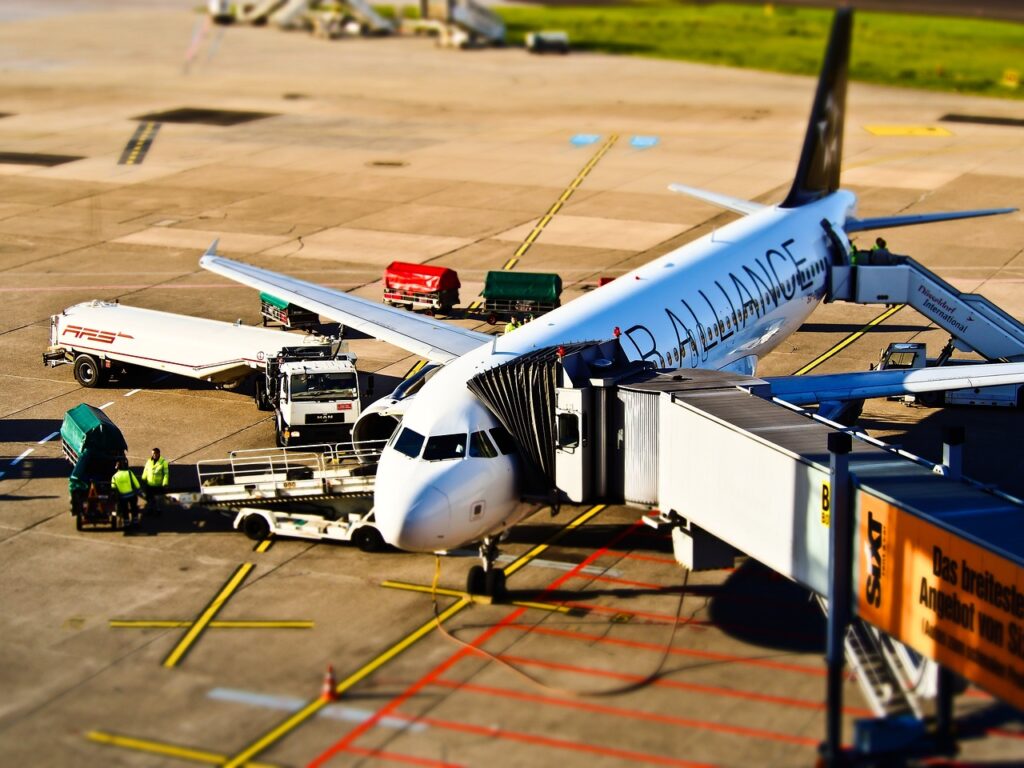
Smarter Terminals, Faster Journeys
Expect the death of the passport as you know it. Biometric check ins using facial recognition and retina scans are rapidly becoming standard. No more shuffling through documents or fumbling with boarding passes. Just walk up, get scanned, and pass through.
Behind the scenes, AI is making airport security behave less like a bottleneck and more like a systems check. Algorithms are flagging anomalies instantly, cutting down on false positives and speeding up queues. Less human error, less stress.
And the terminals themselves? They’re learning. Predictive congestion management systems monitor foot traffic and flight patterns in real time. If one area clogs up, resources are rerouted before it becomes a problem. Think smart highways, but for terminals. The goal: keep people and planes moving without the chaos.
As tech quietly edges into every step of the journey, the airport starts feeling less like a slog and more like something that actually works.
Sustainability at Scale
Airports are rapidly becoming pioneers of green infrastructure, rising to meet the urgent need for sustainable travel. The next decade will usher in groundbreaking environmental upgrades that go far beyond recycling bins and paperless boarding passes.
Greener on the Ground
The shift to low emission operations starts with the vehicles that keep airports moving:
All electric ground fleets are replacing traditional fuel based service vehicles for towing, cleaning, and maintenance.
Hybrid powered airport shuttles offer reduced emissions while helping to move passengers seamlessly between terminals and remote parking areas.
These changes don’t just reduce carbon footprints they also lower noise pollution and operating costs for airports.
Powering Terminals with Clean Tech
Terminal architecture is evolving into a source of clean energy:
Solar glass is being installed in windows, roofs, and walls, turning surface area into energy generators.
Wind microturbines, integrated into terminal design, harness airflow between buildings to generate consistent, renewable power.
Together, these technologies help airports reduce grid dependence and waste.
Runways That Offset Their Impact
One of the most innovative sustainability shifts is happening where you’d least expect it the runway:
Carbon neutral paving materials are now in development, including surfaces that absorb carbon dioxide from the air.
These new materials not only reduce emissions during construction but continue to neutralize them throughout their lifecycle.
Airports of the future won’t just reduce emissions they’ll actively help reverse them.
Expect sustainability to become not just a feature but a competitive advantage as climate conscious travelers push for greener travel infrastructure.
Hyper Personalized Passenger Experiences
The airport of tomorrow doesn’t just get you from A to B it learns who you are and adjusts accordingly. Ultra personalized navigation apps are already moving beyond basic terminal maps. We’re talking real time indoor mapping that guides you step by step with dynamic detours around crowds, gate changes, or closed facilities. Think GPS, but tuned for your current gate, airline, and even walking speed.
Beyond wayfinding, airports are using location awareness and traveler data to send curated offers straight to your phone. Lounge upgrades, food vouchers, local attraction tips it’s a targeted nudge, not a generic ad blast. This is more than convenience; it’s a strategy to make you feel catered to, not herded through.
Even the seats are smart now. Premium lounges and high end waiting zones are rolling out seating that auto adjusts to your preferred temperature and lighting, syncing with your airline or app profile. Entertainment systems queue up recommendations based on your device history. It’s subtle, but intentional. The airport knows more about you and it’s using that intel to make layovers suck less.
Baggage Goes Autonomous

The days of anxiously watching the carousel are coming to an end. Behind the scenes, baggage handling is starting to look a lot more like a logistics operation than a guessing game. Smart luggage tunnels, powered by AI, now reroute bags in real time. Missed a connection? The system knows and sends your suitcase where it needs to go often before you’ve even rebooked.
Each bag carries an RFID tag, making it traceable via connected apps. Travelers can see exactly where their luggage is at any given moment, down to the conveyor it’s riding on. No more wondering if your bag made it or didn’t.
And once it lands, autonomous baggage vehicles are closing the loop. Instead of waiting at baggage claim, you can head straight to your hotel or rideshare. The vehicle delivers your luggage to your destination, securely and without delay. It’s a quiet revolution in travel streamlined, contactless, and just plain smarter.
Smaller Cities, Bigger Hubs
Big airports are losing their grip. Travelers are trading mega terminals and endless queues for the speed and simplicity of regional hubs. Tier 2 and 3 airports once considered sleepy backups are now investing hard in next gen infrastructure. Think streamlined terminals, advanced check in tech, and faster turnaround gates. The result: shorter lines, faster boarding, and way less stress.
For many, it’s a clear win. People want convenience without chaos. Business travelers are cutting hour long buffers down to twenty minutes. Families are skipping the shuttle trains and concourses the size of small towns. And with big carriers and budget airlines alike expanding their reach to these smaller cities, the options keep growing.
Local governments are getting in on it, too partnering with private firms to modernize runways, upgrade baggage systems, and even bring in lounges that don’t feel like an afterthought. The shift isn’t a fad it’s a recalibration of how we move.
Want to understand why this reshuffle is happening now? Check the deeper dive in Why Travelers Are Choosing Smaller Cities Over Global Capitals.
Space Travel Ready Facilities
The line between air travel and space tourism is beginning to blur and airports are preparing to lead that transition. As commercial spaceflight edges closer to mainstream viability, the next generation of terminals and infrastructure are being built with the cosmos in mind.
Terminals Supporting Suborbital and Space Tourism
Airports will no longer be limited to destinations on Earth. By the end of the decade, we’ll see:
Custom terminals designed to handle suborbital flight logistics
Dedicated launch and landing zones for space capable vehicles
Enhanced passenger prep zones for safety briefs, suit fitting, and health checks
These new spaces are expected to blend aerospace efficiency with luxury travel comfort.
Strategic Industry Partnerships
Airports aren’t going it alone they’re teaming up with pioneers in private spaceflight.
Joint ventures with companies like SpaceX, Blue Origin, and Virgin Galactic
Public/private infrastructure projects to support routine space launch integration
Airport master plans being rewritten with multi layer airspace in mind
These partnerships will redefine the role of airports from departure points to launch platforms.
Mach Speed Travel: Redefining Global Boundaries
Supersonic and near space flight technologies are on the rise, with the potential to:
Enable cross continental travel in under two hours
Blur the line between domestic and international airspace
Trigger new global regulations and security protocols at transit hubs
Airports accommodating this kind of travel will need to evolve operational procedures, passenger processing speeds, and even immigration models for a world where “international” means intercontinental in minutes.
What to Expect as a Flyer
Airports are rapidly transforming from logistical chokepoints into streamlined, service first ecosystems. As innovation accelerates, the typical passenger experience is poised for a major upgrade.
Faster from Door to Gate
Forget rushing through security lines and racing to your gate. The next wave of airport design and technology is cutting door to gate times to record lows.
Top tier airports aim to bring total transit time under 15 minutes
Smart wayfinding and biometric processing eliminate traditional slowdowns
Advanced scheduling tools help travelers arrive at the optimal time
Seamless Connections, Zero Friction
Travelers will experience a smoother journey from home to takeoff with new transportation integrations.
High speed trains and local transit systems connecting directly to terminals
Seamless ticketing and schedule syncing between air, rail, and rideshare services
Reduced or eliminated layover stress through optimized transfer hubs
Airports as Full Service Destinations
Airports are becoming more than just places to catch a flight they’re growing into lifestyle focused spaces designed to serve travelers, businesspeople, and locals alike.
Entertainment options like live music venues and pop up events on site
Wellness amenities including yoga rooms, nap pods, and meditation spaces
Coworking zones with fast Wi Fi, private phone booths, and remote office setups
As these changes take hold across the globe, airports will evolve into hyper efficient environments built for comfort, speed, and experience turning what was once a travel hassle into a highlight of the journey.