
Shifting Seasons and Rewriting Travel Calendars
The travel calendar you used to know? It’s out of date. Rising global temperatures are reshaping when and where people go. Traditional peak seasons are slipping. Ski resorts are getting less snow, or losing it earlier in the season. Some can’t guarantee a winter stretch by December; late start ski trips are the new normal. On the flip side, summer getaways especially in Southern Europe, North Africa, or the American South are becoming blisteringly hot, pushing travelers toward cooler shoulder seasons or higher altitude alternatives.
This isn’t just anecdotal anymore. People are checking climate maps the way they used to check TripAdvisor reviews. They want to know when places are actually livable, not just historically popular. Heatwaves, wildfires, and floods are reshaping tourism flows. The idea of a ‘best time to go’ is becoming more personal, and more weather dependent. Culture and cost still matter but now, so does when the AC stays on and the trail isn’t closed for fire risk.
Destinations on the Brink
Climate change is not only shifting travel preferences it’s placing some of the world’s most beloved destinations at risk. Rising seas, melting glaciers, and expanding wildfire zones are redrawing the global tourism map.
Sinking Icons: Coastal Destinations at Risk
Some of the most iconic coastal cities and island nations face dramatic transformations or potential disappearance within this century:
Venice, Italy is grappling with extreme flooding that continues to worsen despite engineering efforts. Increased high tides disrupt both daily life and seasonal tourism.
The Maldives, known for its picturesque overwater bungalows and coral reefs, is facing severe sea level threats. Experts warn that without aggressive climate action, large portions of the island nation could be uninhabitable.
Vanishing Glaciers: A Race Against Time
Mountain regions once known for their glaciers are witnessing rapid loss of ice, changing access to beloved landmarks:
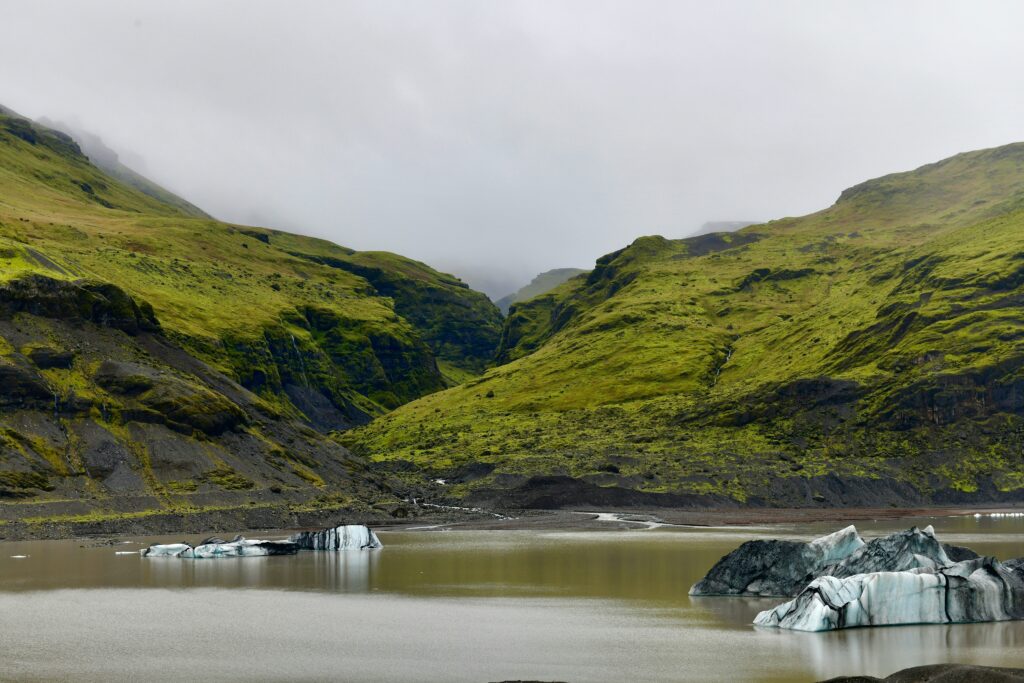
Iceland’s Vatnajökull and other major glaciers continue to retreat, altering landscapes and glacier tour opportunities.
The Peruvian Andes are losing glaciers that have existed for thousands of years, impacting both hikers and local ecosystems.
The Alps are warming faster than the global average, with many popular ski zones seeing shortened seasons and melting backdrops that affect heritage and sports tourism.
Wildfire Zones Reshaping Travel Flow
As wildfire seasons grow longer and more intense, some tourism hotspots have become high risk environments:
In California, wildfires have repeatedly disrupted travel to national parks, wine regions, and coastal areas.
Greece faces annual threats around key islands and historical landmarks, pushing travelers to reconsider timing and location.
Australia has seen some of its most devastating fire seasons in recent years, with the Great Ocean Road and Blue Mountains periodically impacted.
These climate driven shifts aren’t future hypotheticals they’re happening now, influencing how, when, and where travelers can safely go.
New Hotspots Emerging
As global temperatures climb, the travel map is getting redrawn. Places once deemed too cold or too remote think Svalbard, Greenland, or coastal Norway are becoming surprisingly accessible. Summer months in these northern zones now offer bearable temps, open trails, and sunlit scenery without the crowds of southern Europe baking under heat waves.
Winter isn’t off the table either. In fact, the shoulder seasons late spring and early fall are gaining traction in regions like Lapland and Iceland, where changing weather makes cold more manageable and landscapes even more striking. What was once niche is now firmly on the itinerary.
Tied to this shift is the rise of regenerative tourism. Options in smaller, lesser known communities across the Arctic Circle or high altitude Scandinavia are expanding. Travelers aren’t just passing through; they’re being encouraged to contribute through conservation programs, local led tours, and cultural immersion. For those looking to beat the heat and tread lighter, these new frontiers are more than just alternatives they’re the future of travel.
Sustainability Isn’t a Buzzword Anymore
Greenwashing won’t cut it in 2024. Travelers are voting with their wallets, and they’re asking real questions. Eco certifications once nice to haves are now decisive factors in booking hotels, tours, and excursions. Labels like Green Globe and EarthCheck aren’t just badges they’re filters. If a property or operator can’t back up its claim, it drops off the shortlist.
Airlines and resorts are catching on. Carbon offset programs are being pushed frontline not buried in fine print. But here’s the thing: people want more than just a checkbox. They want to know where their offset dollars go, how energy is being saved, how plastic use is being cut. It’s not about perfection, it’s about effort and transparency.
Travelers are also reshaping the experience on the ground. They’re skipping carbon heavy tours for slower, cleaner options. Choosing trains over planes where possible. Supporting local craft and farm to table dining. These aren’t fringe choices anymore they’re the baseline for a growing slice of the market. The message is simple: don’t just see the world, travel like it matters.
How Remote Work Is Tied In
The rise of remote work has already transformed where and how people choose to live but the impact of climate change is now playing a bigger role in these decisions. Digital nomads, once drawn solely by internet speed and affordability, are increasingly influenced by the environmental stability of their chosen destinations.
Migration Motivated by Climate Realities
Remote workers are factoring in air quality, rising temperatures, and environmental risk when setting up long term stays. As extreme weather events become more common, some traditional nomad hubs are becoming less viable.
Southeast Asian cities face seasonal flooding and extreme heat
West Coast U.S. hubs contend with wildfires and housing pressures
Coastal zones vulnerable to sea level rise are seeing out migration
In response, many digital nomads are migrating toward more climate resilient areas with temperate weather and better infrastructure support.
Cities Betting on Climate Resilience
Forward thinking cities are not just adapting they’re using climate strategy as a selling point to attract remote talent.
Green certified co working spaces and eco conscious neighborhoods
Infrastructure upgrades focused on sustainable living and disaster response
Local incentives for long term residents and remote entrepreneurs
By combining progressive environmental planning with digital friendly policies, these cities position themselves as future proof hubs for remote workers.
Read More on This Shift
For a deeper look into how remote work, climate adaptation, and global mobility intersect, check out the full article:
The Rise of Digital Nomad Visas, Future Borders, and Remote Work
Smarter Travel in a Warming World
Travelers used to check the weather. Now, they check climate patterns. Real time climate apps have become essential gear tracking wildfire zones, air quality, flood risks, and heat forecasts before booking a flight or packing a bag. Travelers aren’t just prepping for rain anymore they’re avoiding entire regions during unstable months.
The insurance industry has followed suit. New policies are being built with climate disruptions front and center covering delays caused by hurricanes, wildfires, or extreme heat. Flexible coverage is now a baseline expectation, and companies not adapting risk losing relevance.
All of this speaks to a bigger trend: the agile traveler. Static itineraries are becoming relics. Seasoned travelers are leaving room to pivot, reroute, or reschedule. An open calendar beats a locked in plan. In a world running hotter, nimbleness isn’t optional it’s survival.
What Travelers Should Watch in 2026 and Beyond
The tourism world is reaching its limits in some unexpected and uncomfortable ways. Water scarcity is becoming a frontline issue in mega destinations like Cape Town and Dubai, where the influx of visitors places heavy pressure on already strained natural resources. These cities have flirted with Day Zero scenarios before, and government planners aren’t willing to gamble on it happening again just to keep hotel pools full.
As a result, environmental strain is beginning to show up in policy. Countries are tightening visa requirements during peak travel seasons, subtly disincentivizing visitation during times of high ecological stress. The age of unrestricted wanderlust is being tempered by resource realities and climate math.
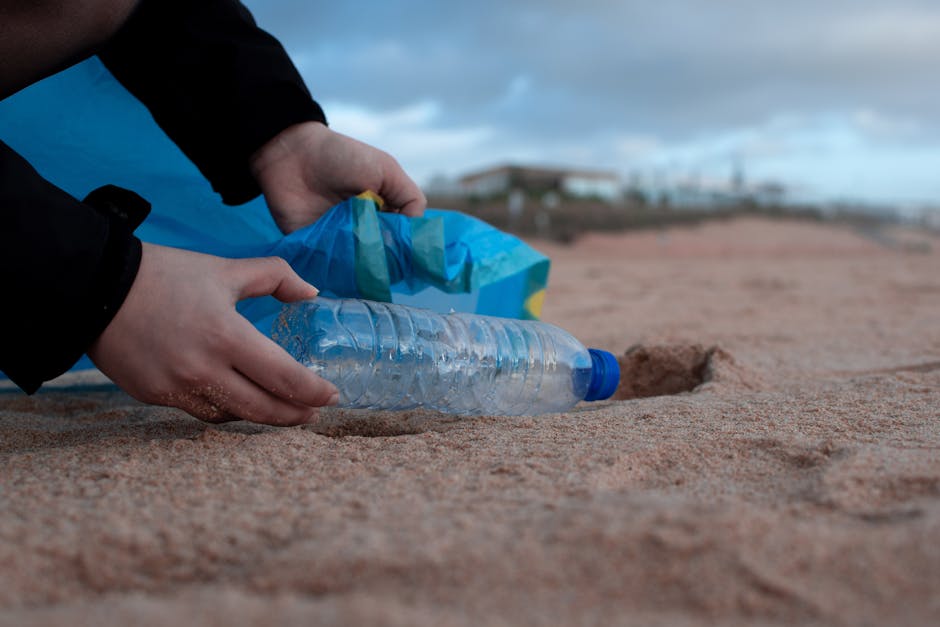
All of this points to a tougher truth: travelers can’t just show up anymore without thinking about their impact not just carbon, but water, waste, and local infrastructure. Choosing to visit a place now comes with a responsibility to know its limits. Whether that means bringing a refillable bottle instead of expecting bottled water, or skipping the long showers in desert hotels, mindful choices matter. In a warming world, ethical travel isn’t a nice to have. It’s the baseline.