Global Festivals as Economic Engines
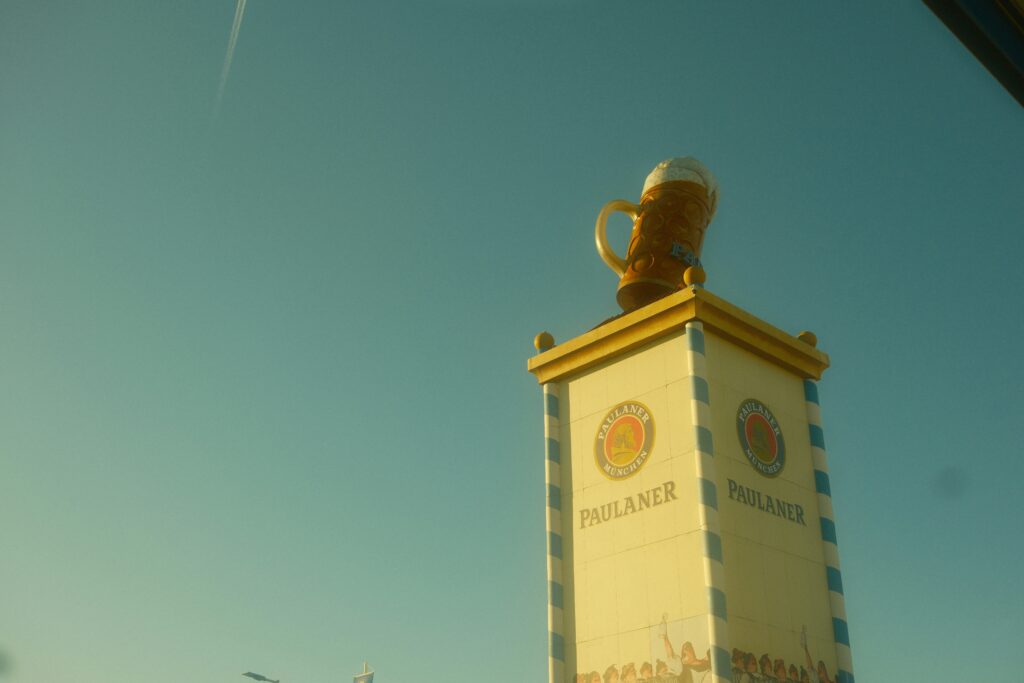
Festivals aren’t just cultural celebrations they’re crowd magnets. Around the world, events like Carnival in Rio, Oktoberfest in Munich, and Diwali in India pull in millions of visitors each year. These aren’t small spikes in tourism; they’re massive economic engines that can define a region’s annual revenue.
During peak festival seasons, local economies go into overdrive. Hotels hit full capacity, flights are booked solid, and restaurants run nonstop. Transportation services from taxis to metro systems see usage surge. Street vendors, retail shops, and even small pop ups experience a boom in sales they can’t get during regular seasons. For many cities, festivals are the cornerstone of their hospitality and tourism sectors.
When a festival goes global, so does its economic impact. It’s not just about the ticket sales it’s everything that happens around the event. These festivals don’t just entertain; they turn entire cities into economic hotspots.
Cultural Draws That Go Beyond Entertainment
Travelers aren’t just ticking landmarks off a list anymore. The new wave of tourism is less about photos in front of monuments and more about being part of something genuine. Festivals whether rooted in centuries old tradition or a modern fusion of art and music offer that authenticity. Visitors get the chance to witness rituals, taste regional flavors, and connect with locals in a way guided tours simply can’t deliver.
Compared to standard sightseeing, festivals deliver a deeper story. You’re not just visiting a place you’re stepping into its rhythm. From dancing in the Holi powders of India to sharing meals at a rural harvest festival in Italy, cultural immersion becomes tangible.
Tourism operators have recognized the demand. More itineraries now build entire trips around events, bundling entrance tickets, local experiences, and behind the scenes access. It’s called “festival tourism,” and it’s one of the fastest growing segments. For travelers, it’s a shortcut to authentic connection. For destinations, it’s a smart bet on culture as capital.
Regional Case Studies: Impact You Can Measure
Some festivals do more than entertain they inject serious capital into local economies. Japan’s cherry blossom season is a prime example. Every spring, tourists from across the globe flood in for hanami (flower viewing), fueling hotels, transit lines, and restaurants. The result? Over $2.7 billion in tourism revenue annually, all driven by a few fleeting weeks of petals.
In the U.S., Coachella is more than just a music festival it’s a cultural force that brings in attendees (and attention) from around the world. Its media reach is massive, but so is its economic impact. From airline bookings to pop up brand activations, the event generates hundreds of millions for the California desert region.
Then there’s La Tomatina in Spain a much smaller affair, but with epic returns for the local economy. What started as a quirky food fight in the town of Buñol now attracts thousands and has turned the sleepy town into a seasonal hotspot. Hotels sell out, bars overflow, and the economic jolt lingers long after the last tomato lands.
The lesson? It doesn’t always take Paris or a world expo to boost tourism. Sometimes, a blossom, a bass drop, or a bucket of tomatoes does the trick.
The Off Season Advantage

While major festivals often dominate attention, smaller and regionally timed events are quietly reshaping the tourism calendar in a powerful way. By bringing travelers to less visited areas and during less popular times of year, festivals are helping to:
Redistribute tourism traffic
Extend local economic activity beyond traditional high seasons
Showcase the unique charms of underrepresented destinations
Reviving the Shoulder Seasons
Shoulder seasons those transitional periods just before or after peak travel times have long presented an opportunity to balance tourism flows. Festivals scheduled during these months are now turning that potential into measurable growth.
Examples of successful shoulder season strategies include:
Spring food festivals in rural Europe drawing culinary tourists before the summer rush
Cultural heritage events in Southeast Asia during pre monsoon months that highlight local traditions
Music and arts festivals in offbeat locations during early autumn, offering cooler weather and fewer crowds
These carefully programmed events foster a consistent visitor base year round, without straining infrastructure or overwhelming communities.
Easing the Pressure on Overtouristed Hotspots
Festivals in emerging destinations also serve a greater purpose: reducing reliance on megacities and over visited landmarks that are suffering from excess traffic. Here’s how:
Tourism boards strategically shift focus to satellite towns and rural areas
Smaller festivals offer authentic, less commercialized experiences, appealing to travelers looking for slower, more meaningful journeys
Sustainable itineraries that include community based accommodations and eco friendly transport options are easier to manage during off peak events
A Win Win for Locals and Visitors
For local communities, this balancing act means job creation, cultural preservation, and greater economic resilience. For travelers, it unlocks more affordable pricing, richer experiences, and fewer crowds.
As the tourism industry evolves, off season festivals are set to play an even bigger role in crafting smarter, more sustainable travel ecosystems.
Festivals Aligning With Wellness & Sustainable Tourism Trends
Festival tourism is no longer just about music, food, or fireworks. In 2024, more travelers are showing up for experiences that fuse spiritual depth, personal wellness, and cultural immersion. Events like the BaliSpirit Festival are leading this blend offering yoga, meditation, indigenous arts, and community led healing sessions, all under one roof (or beach canopy).
This mashup isn’t accidental. People want more than escapism. They’re looking to travel with intent, to return home feeling better physically, mentally, maybe even spiritually. That shift is changing how festivals are designed. Planners are rethinking everything from food vendors to workshop lineups, calibrating for balance, mindfulness, and purpose.
On a practical level, eco consciousness is now part of the standard blueprint. Festivals are cutting single use plastics, integrating composting, going solar, and locally sourcing materials not just to check a box, but because their audience demands it. Sustainable minded travelers don’t just show up they stay longer, spend smarter, and advocate harder.
This isn’t a niche corner of the tourism market it’s becoming the new center. For a deeper breakdown, check out The Boom in Wellness Tourism: A Post Pandemic Trend.
Looking Ahead: Innovation & Digital Integration
Tech is no longer just a side act at global festivals it’s one of the headliners. Augmented reality is adding interactive layers to everything from festival maps to stage performances. Think real time translations, artist backstories, or hidden visuals that show up only through your phone screen. Contactless payments are standard now, building faster, safer crowd flows across food stalls, merch stands, and entry gates. And virtual access? It’s giving fans across continents front row views without the airfare.
Looking forward, hybrid festivals are becoming the norm. The physical digital blend turns a local celebration into a global event. Livestreams, VR meet ups, digital only afterparties all accessible with a tap. It’s not a replacement for being there, but a smart way to remove barriers and widen reach.
What’s behind this shift isn’t just better tech it’s strategy. Tourism boards and event organizers are joining forces, funding digital upgrades and co marketing campaigns that push festivals into international travel plans. For many regions, it’s not just about creating a great experience. It’s about future proofing culture as a long term draw for global travelers.
Key Takeaway: Festivals as Travel Catalysts
Festivals aren’t just cultural highlights they’re strategic assets. More cities are waking up to the fact that a vibrant cultural calendar can be just as critical to regional growth as infrastructure or tech investment. Done right, festivals fuel long tail tourism: visitors stay longer, return more often, and spend across sectors beyond the event itself.
Smart regions are no longer treating festivals like one off parties. They’re building them into year round economic planning. Booking windows, transportation upgrades, even hotel development are being mapped to events years in advance. The goal isn’t just a successful weekend it’s sustained impact.
By 2026, experience led travel is overtaking checklist tourism. Visitors crave immersion local music, food, rituals they can participate in. Traditional sightseeing is still around, but it’s not the headline act. If destinations want to compete globally, they’ll need more than monuments. They need atmosphere. Culture. Real connection.
Festivals deliver that. Not just in the moment, but far into the future.