The Global Rise of Culinary Travel
Food tourism didn’t just sneak onto the scene it took over. By 2026, it had evolved into one of the leading reasons people chose where to travel. It wasn’t about chasing Michelin stars or racking up bucket list bites. It was about connection. Local dishes, night markets, farm to table meals these became the front door to a destination’s culture, not just a side dish.
According to a 2025 Skyscanner survey, 74% of travelers said food was their top motivator for picking a destination. Booking.com data confirmed that food experiences outpaced traditional sightseeing and even outdoor adventure in itinerary planning. In response, tourism boards leaned hard into flavor curated food trails, culinary passes, and immersive cooking experiences sprouted up globally.
What changed the game? Two words: immersion and access. Vloggers and travel creators started showcasing not just what they were eating, but where it came from, who made it, and how it fit into daily life. A piping hot bowl of pho in Hanoi wasn’t just lunch it was a crash course in heritage. Food markets turned into story hubs. A video on humble dumplings became a window into migration, spice routes, and family tradition.
In short, people didn’t want a taste they wanted the full meal. And travelers were hungry for more than flavor. They were craving meaning. Food became the entry point, not the end goal.
A Deeper Connection to Culture
Food isn’t just fuel. It’s a living record of a place its history, economics, and social fabric wrapped into every ingredient and technique. That’s what makes food tourism more than a search for great flavors. It’s a way to explore what makes a culture tick.
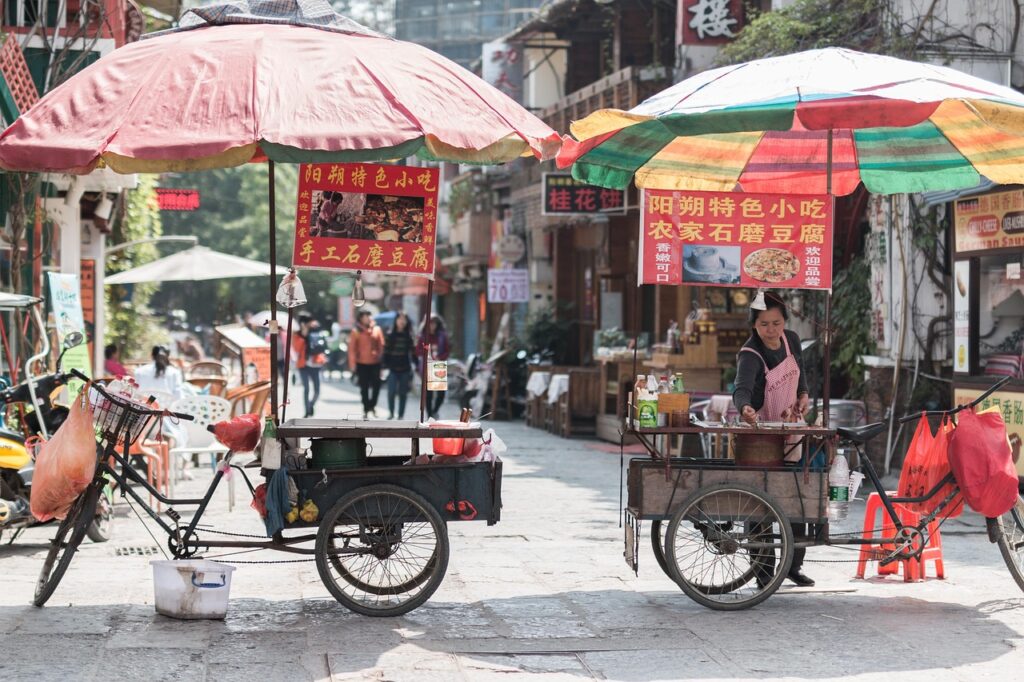
Take Bangkok, for example. Street food there isn’t just about pad thai or mango sticky rice. It’s about pace, access, and a lifestyle that blends work and family with open air dining. You see grandparents cooking from decades old stalls, teenagers grabbing skewers on the run, commuters negotiating chili levels while waiting for riverboats. Watching it happen tells you more about modern Thai life than any brochure.
In Spain, tapas aren’t just tiny plates they’re proof of a culture centered on sharing. Tapas bars were originally places where locals gathered to chat after work, plates meant to bring people together, not distract. That tradition still shapes Spanish social life: slow eating, long conversations, community over consumption.
Peru offers another lens. Its gastronomy is being redefined by ingredients Indigenous to the Andes and the Amazon quinoa, ají peppers, native potatoes. These aren’t trendy imports; they’re staples that held communities together for centuries. Modern chefs are blending them into global gastronomy while honoring where they came from.
Tours that center on “eating with locals,” or community run kitchens, push this even further. Instead of putting culture under glass, they pull you into the day to day. You eat what they eat, where they eat it often with stories and cooking tips folded in. It’s not performance, it’s participation.
In the end, cuisine tells truth. You just have to be hungry enough to ask the right questions.
Culinary Sustainability on the Road

The foodie traveler of 2026 is not just eating for pleasure they’re eating with purpose. As climate anxiety and cultural respect take center stage, more globetrotters are shifting away from indulgent, Instagram driven dining to something leaner, smarter. Eco conscious food travel is no longer niche. It’s the default setting for a rising generation of mindful explorers.
What does that look like in practice? Think locally sourced meals from small producers instead of luxury imports. Travelers are choosing restaurants and cooking classes that support nearby farmers, use seasonal ingredients, and avoid single use plastics. It’s about knowing what’s on your plate and who it impacts.
Reducing food waste is also part of the equation. From buffet bans to food sharing apps, people aren’t just leaving clean plates they’re leaving better habits. Travelers are learning how to carry these behaviors back home, reinforcing sustainability as a lifestyle rather than a vacation filter.
This thoughtful eating ties into the broader goals of sustainable travel. Food tourism now overlaps with low impact lodging, walking tours, and carbon offset transportation. It’s all connected and increasingly expected.
For a detailed look at global sustainability trends in travel, explore Top Sustainable Tourism Practices Reshaping Global Travel.
Cooking Classes, Food Markets & Edible Experiences
Tasting is one thing. Learning to cook a country’s signature dish with a local grandmother in her backyard kitchen is another. Hands on culinary tourism has moved from niche to norm. Travelers aren’t just snapping photos of their meals they’re rolling dough, grinding spices, and stirring stew pots with cooks who treat recipes like oral history.
Across the globe, cooking classes rooted in tradition are offering something short of magic but long on meaning. Whether it’s kneading sourdough in a Georgian bakery or mastering masa in a Mexico City kitchen, travelers are choosing engagement over observation.
Outside the kitchen, food travelers are heading to the source. Open air markets, bustling spice bazaars, and fermentation workshops are turning grocery runs into window seats into local life. You learn what people eat, what they value, what they grow. Sometimes, you even learn what they pray for.
Why does it stick? These experiences embed stories into food the kind of knowledge that survives long after the passport stamps fade. They offer travelers something rare: not just a sense of place, but a connection to it.
Final Thoughts on Modern Food Tourism
Why Food Opens Unique Doors
Visiting a monument tells you what a culture built but sharing a meal tells you how people live. Food transcends language and offers a glimpse into daily rhythms, values, and traditions. Culinary tourism goes beyond sightseeing because it requires participation, connection, and humility.
A shared meal often leads to genuine conversations
Local ingredients tell stories of geography, seasonality, and survival
Cooking methods reflect generational knowledge and adaptation
In short, meals can deliver deeper access to a community’s truth something you can’t always find through traditional tourism.
Traveling With Intention, Not Just Appetite
While food is a major draw, responsible culinary travel in 2026 means considering the impact of your choices. It’s no longer just about checking off “must try” dishes it’s about asking why the food matters and what your visit supports.
Prioritize establishments that support local farmers, cooks, and traditions
Say no to exploitative food experiences or overly commercialized tastings
Consider ethical sourcing and environmental footprint when dining abroad
Mindful food tourism enriches not only the palate but also the places we visit.
What’s Next for Culinary Travel?
Food tourism is evolving beyond mere novelty. As technology and climate shifts shape global travel, three key trends are emerging:
Regenerative Dining: Restaurants and food tours that don’t just do less harm but actively give back to ecosystems and communities
Hyper Local Travel: Itineraries centered on micro regions, where every bite has a story tied to a few square miles
AI Food Tours: Personalized culinary journeys powered by artificial intelligence offering tailored recommendations based on dietary needs, preferences, and cultural interests
The future of food tourism is experience rich, values driven, and deeply personal.
If travel helps us understand the world, food helps us feel it.
 Janicel Dickersonezer has opinions about global tourism trends and experiences. Informed ones, backed by real experience — but opinions nonetheless, and they doesn't try to disguise them as neutral observation. They thinks a lot of what gets written about Global Tourism Trends and Experiences, Hausizius Journey Guides and Insights, Travel Horizon Headlines is either too cautious to be useful or too confident to be credible, and they's work tends to sit deliberately in the space between those two failure modes.
Reading Janicel's pieces, you get the sense of someone who has thought about this stuff seriously and arrived at actual conclusions — not just collected a range of perspectives and declined to pick one. That can be uncomfortable when they lands on something you disagree with. It's also why the writing is worth engaging with. Janicel isn't interested in telling people what they want to hear. They is interested in telling them what they actually thinks, with enough reasoning behind it that you can push back if you want to. That kind of intellectual honesty is rarer than it should be.
What Janicel is best at is the moment when a familiar topic reveals something unexpected — when the conventional wisdom turns out to be slightly off, or when a small shift in framing changes everything. They finds those moments consistently, which is why they's work tends to generate real discussion rather than just passive agreement.
Janicel Dickersonezer has opinions about global tourism trends and experiences. Informed ones, backed by real experience — but opinions nonetheless, and they doesn't try to disguise them as neutral observation. They thinks a lot of what gets written about Global Tourism Trends and Experiences, Hausizius Journey Guides and Insights, Travel Horizon Headlines is either too cautious to be useful or too confident to be credible, and they's work tends to sit deliberately in the space between those two failure modes.
Reading Janicel's pieces, you get the sense of someone who has thought about this stuff seriously and arrived at actual conclusions — not just collected a range of perspectives and declined to pick one. That can be uncomfortable when they lands on something you disagree with. It's also why the writing is worth engaging with. Janicel isn't interested in telling people what they want to hear. They is interested in telling them what they actually thinks, with enough reasoning behind it that you can push back if you want to. That kind of intellectual honesty is rarer than it should be.
What Janicel is best at is the moment when a familiar topic reveals something unexpected — when the conventional wisdom turns out to be slightly off, or when a small shift in framing changes everything. They finds those moments consistently, which is why they's work tends to generate real discussion rather than just passive agreement.